Moat Walk
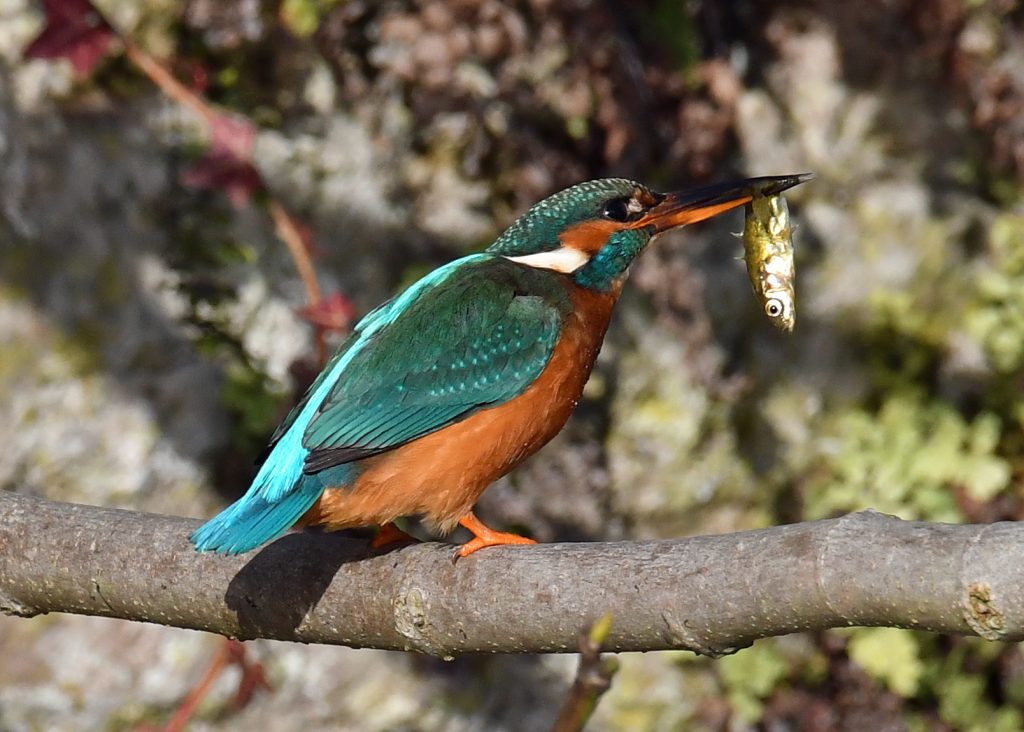
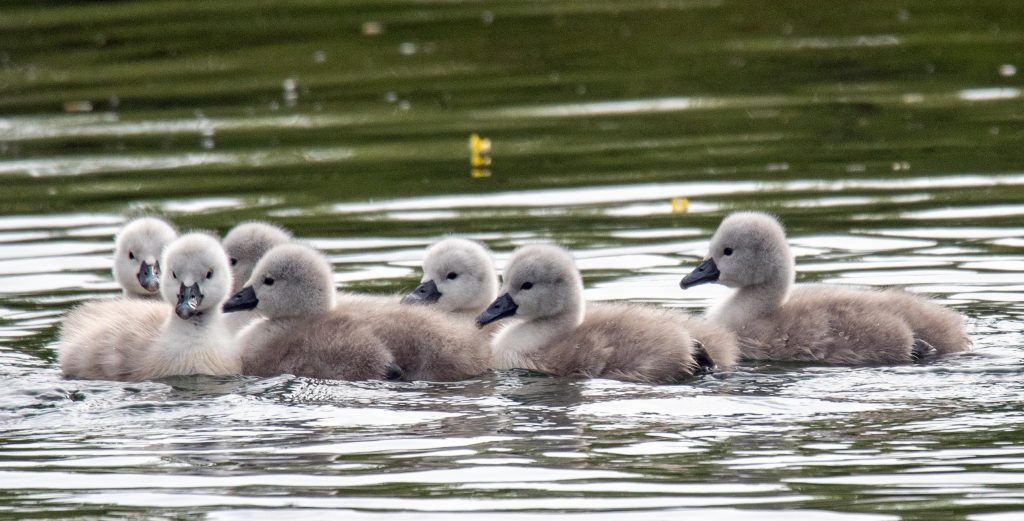
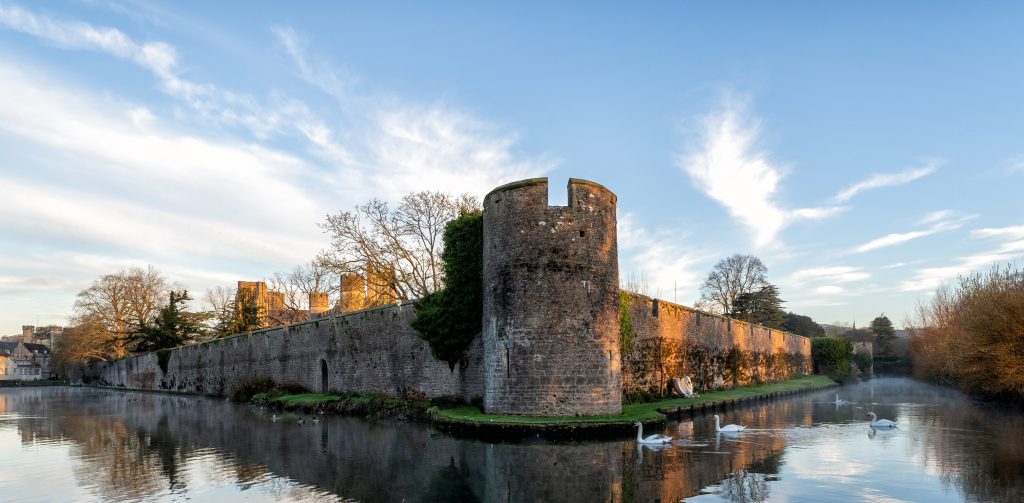
No visit to Wells would be complete without a gentle stroll along this smooth hard surfaced walkway. The Moat Walk is freely accessible along two sides of the Bishop’s Palace. It affords wonderful access to views towards the Cathedral, Tor Hill, the former deer park and Glastonbury Tor. It also houses iconic sights; including the Mute Swans, the waterfall fed by the well springs and the flashing flight of Kingfishers.
Accessibility Rating: 4.5/5
Visit Length: 30 minutes
“It’s quite amazing how you can be in such a quiet, beautiful and historic rural setting and yet only a short distance from the city centre. I never tire of coming here.”
Sylvia Hopton, scooter user
The moat was added to the Bishop’s Palace in the 14th century by Bishop Ralph of Shrewsbury. He had an uneasy relationship with the citizens of Wells, partly because of his imposition of taxes. He therefore decided to surround his palace with high crenelated walls, a moat and a drawbridge.
Set into the walls is a three-storey gatehouse, which dates from 1341, and has a bridge over the moat. This entrance was protected by a heavy gate, portcullis and a drawbridge, operated by machinery above the entrance, and spouts through which defenders could pour scalding liquids onto any attacker.
The moat was created by originally diverting streams to form a reservoir inside the Bishop’s Palace, which is fed by underground streams that originate in the Mendip Hills – these are the wells from which the City gets its name. At one time the moat even acted as a reservoir, controlled by sluice gates, to power watermills in the town.
Mute swans have lived in the moat since the 1800s. It is believed that the tradition of swans ringing a bell for food began in the mid-19th century, when a daughter of the Bishop taught the swans to pull on a rope to ring the bell. Today the swans are still fed every day from a window in the Gate House after ringing the bell.
The Bishop’s Palace is also home to kingfishers. These are frequently seen darting along the Moat Walk between April and August, during and after the breeding season. This is because they’re out and about more as they’ve got extra mouths to feed. A pair of kingfishers may have to catch at least 100 small fish a day to feed their young.